
Buying a home, refinancing, or just figuring out what you can afford? A mortgage calculator is your go-to buddy. It takes the scary numbers of home loans and turns them into clear, bite-sized estimates—monthly payments, interest costs, and long-term expenses. Unlike a regular calculator, this tool is built for homeowners, making it easy to navigate one of life’s biggest financial decisions. Whether you’re dreaming of a new house or rethinking your current loan, a mortgage calculator gives you clarity and confidence to make smart choices.
What is a Mortgage Calculator
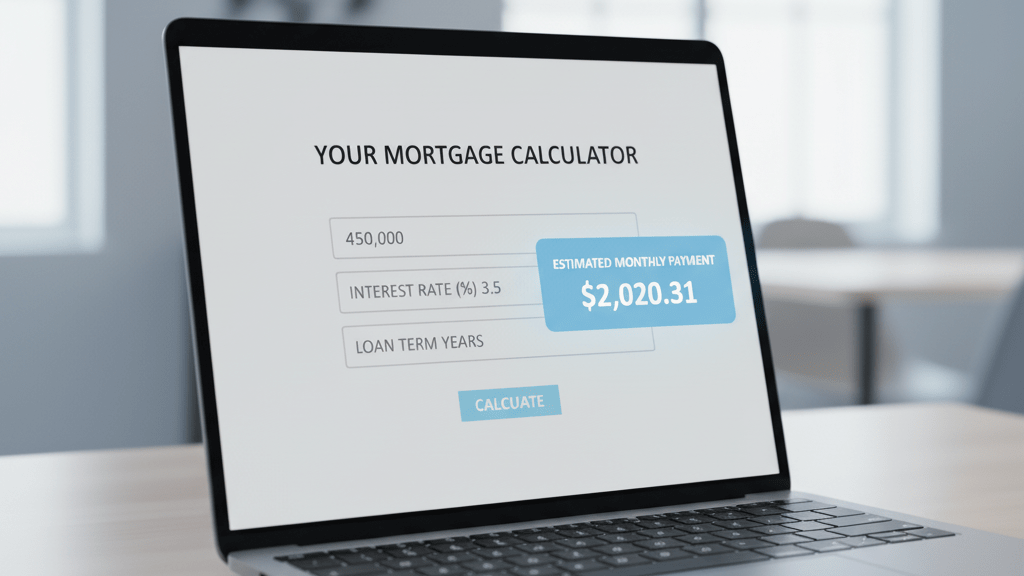
A mortgage calculator is an online tool that helps you figure out your monthly payments and the total cost of a home loan by plugging in some basic info. Just type in things like the price of the house, how much you’re borrowing, the interest rate, your down payment, and how long you’ll take to pay it back, and it’ll spit out a clear estimate of what you’ll owe each month. Plenty of these calculators also toss in extras like property taxes, insurance for homeowners, and even private mortgage insurance if needed, so you get a real sense of what homeownership will actually cost you financially.
It does its magic using the amortization formula, which basically breaks down your loan into manageable chunks over the years, mixing principal and interest in every payment. At the start, a big chunk of your money goes to interest, but as time goes on, more and more starts chipping away at the actual loan balance. This kind of tool is a game-changer because it lets you see how all that plays out before you commit to a mortgage, making the whole process feel less overwhelming.
Whether you’re a first-time buyer dipping your toes into the housing market, thinking about refinancing to snag a better rate, or just curious about paying off your loan faster, a Online mortgage calculator gives you that straightforward insight to make smarter money moves.
Why Mortgages—and Calculators—Matter
A mortgage is just a loan from a bank or lender to help you buy a home when paying cash isn’t an option. It spreads the cost over years (sometimes decades), combining the principal (the amount you borrow) with interest (the lender’s fee for lending you money). Add in property taxes, homeowners insurance, and sometimes private mortgage insurance, and you’ve got your monthly payment. Sounds like a lot, right? That’s where a calculator comes in. You plug in the home price, down payment, interest rate, and loan term, and boom—it spits out a clear picture of your monthly costs. No more guessing if you can swing it; you’ll know what fits your budget.
How a Mortgage Calculator Works
At its heart, a mortgage calculator uses a formula called amortization to map out your payments over time. You enter details like the loan amount, interest rate, and term, and it does the math to show how each payment splits between principal and interest. Early on, most of your payment goes to interest, but over time, more chips away at the principal. The best part? It’s simple to use and super accurate, showing not just your monthly payment but also how much you’ll pay in interest over the life of the loan. It’s like a sneak peek into your financial future, letting you compare loan options or play with different down payments.
Key Pieces of a Mortgage Calculator
To get the most out of a calculator, you need to know its main ingredients:
- Home price: The total cost of the property—your starting point.
- Down payment: The cash you pay upfront, which lowers your loan and monthly payments.
- Interest rate: The lender’s charge, where even a tiny change can shift your costs big-time.
- Loan term: How long you’ll take to pay it off, usually 15 to 30 years. Shorter terms mean bigger monthly payments but less interest overall; longer terms mean smaller payments but more interest over time.
Better calculators also let you add property taxes, homeowners insurance, and private mortgage insurance (if needed). These extras give you a full picture of what you’ll owe each month, so there are no surprises.
The Real Costs of Owning a Home
The mortgage payment is the big one, but owning a home comes with other costs. A calculator helps you see recurring expenses like taxes and insurance, which are often rolled into your monthly payment. But don’t forget utilities, maintenance, or surprise repairs—these can sneak up if you’re not ready. Recurring costs (like your loan payment or yearly taxes) are predictable, while one-offs (like closing fees or fixing a leaky roof) are less so. A calculator lets you test how all these costs fit together, so you don’t sign up for a mortgage that looks doable but feels tight once the full picture hits.
Amortization and the Magic of Extra Payments
Amortization is how your loan balances out over time. Early payments mostly cover interest, so your principal shrinks slowly. As years pass, more of each payment tackles the principal. A calculator shows this shift with an amortization schedule, breaking down every payment. Want to save big? Try adding extra payments. Even a little extra each month can cut years off your loan and save thousands in interest. A calculator lets you play with these scenarios, showing exactly how much faster you could be debt-free.
Paying Off Early: The Perks and Pitfalls
Dreaming of owning your home outright sooner? A calculator can show how extra payments—like bi-weekly contributions or lump sums—speed things up and cut interest costs. But watch out: some lenders charge prepayment penalties to protect their interest income. A calculator helps you weigh the savings against any penalties, so you can decide if early payoff is worth it for you.
A Quick Look at Mortgage History
Mortgages have been around forever, but they really took off in the U.S. when homeownership became the dream in the mid-20th century. Banks got serious about lending, and government-backed loans made homes more accessible. Today’s mortgage world is way more complex—think adjustable rates, refinancing options, and tons of loan types. That’s why calculators are lifesavers, turning complicated choices into clear numbers you can trust.
Why You Need a Mortgage Calculator Now
Today’s housing market moves fast. Interest rates bounce, home prices shift, and lenders keep rolling out new deals. A calculator keeps you grounded, letting you test different home prices, rates, or terms to see what works. Buyers can make smarter offers, sellers can understand what buyers can afford, and homeowners can weigh refinancing benefits. It’s like a financial crystal ball, making big decisions feel less overwhelming.
What’s Next for Mortgage Calculators
Tech is making calculators even cooler. Think interactive charts, real-time market data, or apps that connect you straight to lenders. As AI gets smarter, future calculators might suggest plans based on your spending habits or credit score. They’re not just static tools—they’re evolving to give you personalized, actionable insights.
FAQs: Mortgage Calculator
What’s a mortgage calculator for?
It estimates your monthly payments and total loan costs based on home price, down payment, interest rate, and term. It’s a quick way to understand your financial commitment.
How accurate is a mortgage calculator?
Pretty darn accurate for estimates, though final numbers might shift slightly with lender fees, taxes, or insurance. Always double-check with a lender’s quote.
Can it help compare loan terms?
Yup! Plug in 15-year versus 30-year terms to see how monthly payments and total interest differ, helping you pick what fits your life.
Do calculators include taxes and insurance?
Many do, letting you add these costs for a fuller picture of your monthly obligations beyond just the loan.
Is it useful for refinancing?
Totally. A calculator shows how a new loan with a lower rate could save you money, making it easier to decide if refinancing makes sense.
Can extra payments really save money?
Big time. Even small extra payments reduce your principal faster, cutting interest and possibly years off your loan.
Are mortgage calculators free?
Most are free online and don’t need personal info. They’re built to help you plan before you even talk to a lender.
Conclusion
Purchasing a home ranks as one of the biggest money decisions you’ll ever make, and getting a handle on the details is key to keeping your finances steady for years to come. A mortgage calculator steps in to simplify those tricky math equations into something you can actually use, letting you play around with different what-ifs, weigh your loan choices, and gear up for the true ups and downs of owning property. With fast, dependable, and no-nonsense projections, it cuts through the fog and hands you the power to pick options that match your wallet and your dreams.
And it’s not a one-and-done thing either—this handy resource sticks with you through the entire ride, from dreaming up your first place to tweaking your current setup or pondering ways to shave time off your payments. In today’s world, where rates can swing wildly and everyday expenses keep climbing, a mortgage calculator is that trusty sidekick for anyone tackling the twists and turns of funding a home.